
Fintech in 2026: How Financial Technology Is Transforming Modern Business
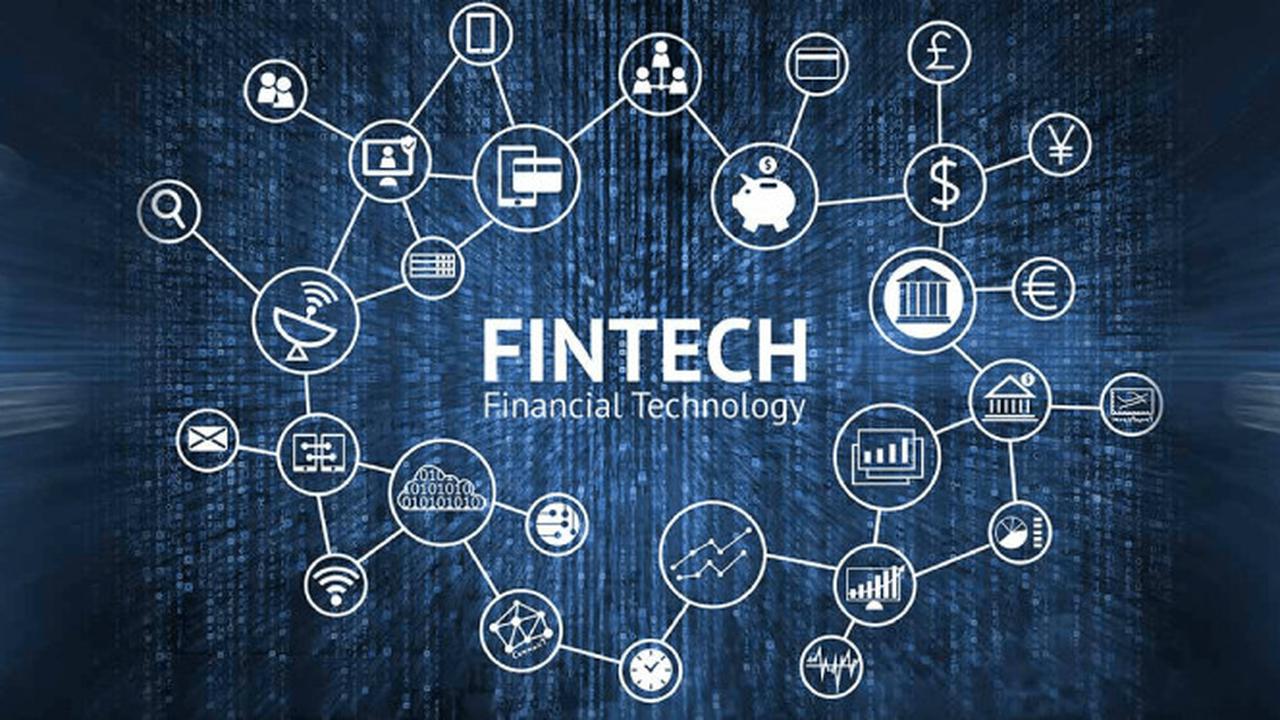
Financial technology, or fintech for short, is significantly changing the face of the world’s financial systems in 2026. From digital payment systems, online lending platforms, and investing platforms, financial technology is making financial services more efficient, cheaper, and easily accessible. The current and future world has significantly come to rely on digital financial systems for conducting transactions, investing, and running businesses.
Fintech, which is a combination of finance and technology, has greatly improved traditional banking services. Instead of having to go to a banking hall, customers can now send money, apply for loans, invest in the stock market, and pay bills from the comfort of their homes or even from their mobile phones.
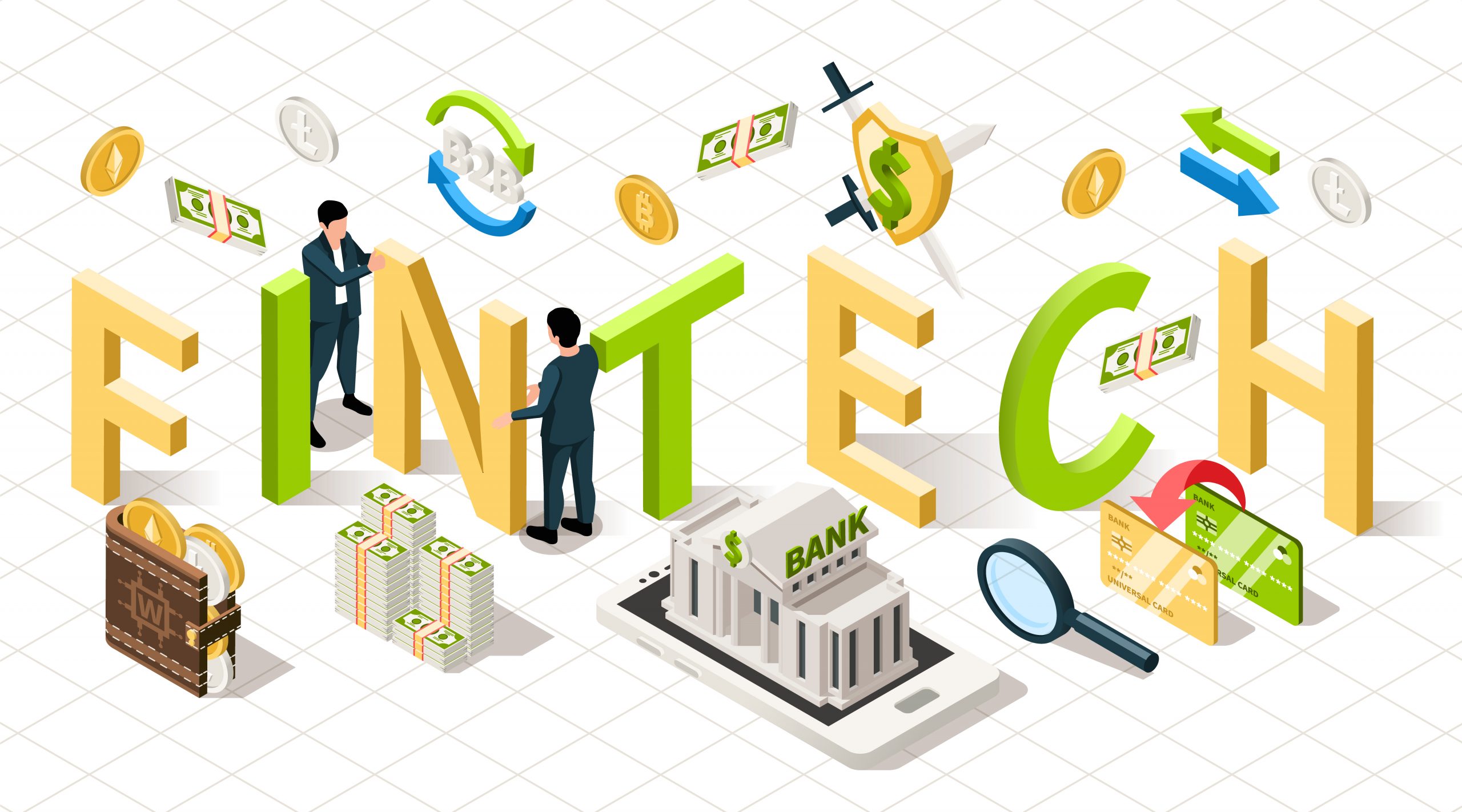
Why Fintech Is Growing Rapidly
The rapid growth of fintech can be attributed to a number of reasons. First, there has been an increase in smartphone and internet penetration across the globe. This has enabled more people to access financial services. Secondly, there is a growing need for fast and transparent financial transactions. Conventional banking systems are slow and involve a lot of paperwork, while fintech systems offer instant verification and fast transaction processing.
The other reason for the growth of fintech is the increasing number of digital businesses. With the rise of digital businesses, there is a growing need for digital wallets and accounting systems that fintech companies are offering.
Key Fintech Trends in 2026
One of the major trends within fintech is digital payments. Contactless payments and mobile banking are some of the trends within this category. Companies stand to gain from this by improving cash flow.
The other major trend within fintech is peer-to-peer lending and online finance. Small companies are able to get finance from fintech companies without going through the hassle of banking systems. This opens up new avenues for small companies that would otherwise struggle to get finance.
Artificial intelligence is another major aspect of fintech. AI systems help improve security within companies while at the same time reducing costs.
Blockchain technology is another major aspect of fintech that is affecting the industry. Blockchain technology improves security within digital transactions.
Benefits of Fintech for Small Businesses
Fintech provides many opportunities for small businesses. For example, online payment systems make business transactions easy. Accounting software also makes financial management easy. It tracks expenses, sends invoices, and monitors cash flow.
Fintech also provides small business owners with access to online funding sites. These sites help business owners grow their businesses faster. Online business owners can also benefit from online data analysis tools. These tools help business owners make intelligent financial decisions.
Challenges in the Fintech Industry
Fintech faces many challenges despite its growth. For example, cybersecurity threats are a major challenge. Online businesses face the risk of hacking. Governments also face the challenge of regulatory compliance. Governments continue to update the law to comply with technological innovations.
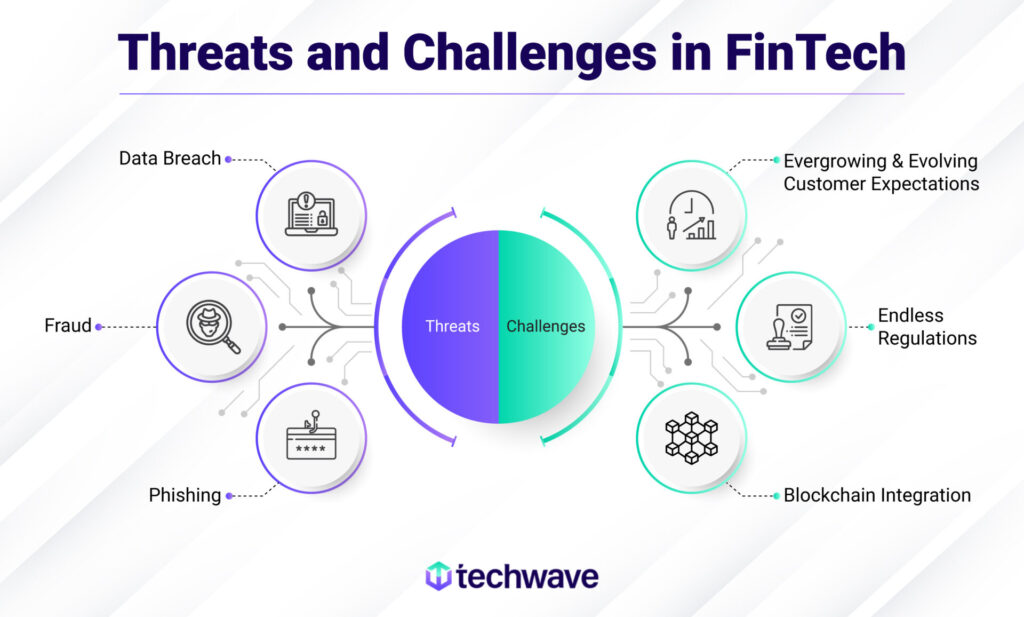
However, fintech has its challenges too. Some of the challenges facing fintech include cybersecurity threats. This is mainly because technology is exposed to cyber attacks and data theft. Compliance is another challenge facing fintech companies. Governments are always trying to amend laws to conform to technological advances.
Establishing trust with consumers is vital for fintech companies. Companies must protect consumer data and information to gain trust in a competitive market.
Conclusion
Fintech in 2026 is revolutionizing the way people and companies conduct financial activities. With the introduction of digital payments, artificial intelligence, blockchain technology, and online lending, financial technology is growing exponentially. It is an exciting opportunity for businesspeople and investors in the ever-changing digital world. It is not a choice to adopt financial technology; it is a strategic move towards business growth.